Jaw misalignment is not just a cosmetic concern. It can affect chewing, speaking, breathing, and even overall facial appearance. Many people experience jaw pain, difficulty in biting, frequent headaches, or an uneven facial profile without realizing that the root cause may be a skeletal jaw problem. When the upper and lower jaws do not align properly, it can disturb daily life and long-term oral health.
Orthognathic surgery, also known as corrective jaw surgery, is an advanced dental procedure designed to correct severe jaw irregularities. At Nataraj Dentistry, we provide expert orthognathic care with advanced planning and modern technology to restore both jaw function and facial harmony. With 24 years of experience in orthodontic and implantology care, our team focuses on delivering safe, precise, and long-lasting results through a patient-friendly approach.
Understanding Orthognathic Surgery and Its Role in Jaw Correction
Orthognathic surgery is a specialized treatment that corrects irregularities in the upper jaw (maxilla), lower jaw (mandible), or both. It is usually recommended when braces alone cannot fix the problem. This procedure repositions the jaw bones into their correct alignment, improving bite function, facial balance, and overall oral health.
Corrective jaw surgery is not only about improving appearance. It plays a major role in restoring proper chewing ability, speech clarity, breathing comfort, and reducing strain on jaw joints.
1. What Is Orthognathic Surgery?
Orthognathic surgery is a corrective procedure performed to align the jaws properly when there is a skeletal discrepancy. It is commonly advised for patients who have severe bite problems or facial imbalance that cannot be corrected through orthodontic treatment alone.
The procedure involves repositioning the upper jaw, lower jaw, or both to create proper alignment. It is done with careful planning and coordination between orthodontic and surgical teams to ensure stability and long-term success. The focus is always on restoring function first, while also improving facial harmony.
2. Common Jaw Misalignment Problems
Jaw misalignment can appear in different forms. Some of the most common conditions include:
- Overbite – Upper teeth excessively overlap lower teeth
- Underbite – Lower jaw extends forward beyond upper jaw
- Open bite – Front teeth do not meet when closing the mouth
- Crossbite – Improper alignment of upper and lower teeth
- Facial asymmetry – Uneven jaw growth causing imbalance
These problems can affect chewing efficiency, speech clarity, facial appearance, and even confidence. If left untreated, they may lead to long-term complications.
3. Causes of Jaw Irregularities

Jaw irregularities can develop due to multiple reasons. Genetics is one of the most common causes. If improper jaw growth runs in the family, it may be inherited. Developmental issues during childhood and adolescence can also result in skeletal imbalances.
Other causes include facial injuries, trauma, untreated dental conditions, and prolonged childhood habits like thumb sucking. In some individuals, uneven jaw growth during teenage years becomes more noticeable in adulthood, requiring surgical correction for proper alignment.
4. Symptoms That Indicate the Need for Jaw Surgery
Not every jaw problem requires surgery, but certain signs may indicate the need for orthognathic treatment:
- Difficulty chewing or biting food
- Frequent jaw pain or headaches
- Clicking or locking of the jaw (TMJ symptoms)
- Speech difficulties
- Breathing issues during sleep
- Noticeable facial imbalance
If these symptoms interfere with daily life, a detailed clinical evaluation with advanced imaging can help determine whether corrective jaw surgery is necessary.
5. When Braces Alone Are Not Enough
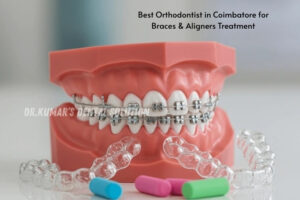
Braces and aligners are effective for correcting tooth alignment. However, they cannot correct severe skeletal jaw discrepancies. If the problem lies in the position of the jaw bones rather than the teeth, orthodontic treatment alone may not provide a stable solution.
In such cases, orthognathic surgery works together with braces to reposition the jaw bones accurately. This combined treatment approach ensures proper bite alignment, functional improvement, and long-term correction.
6. The Step-by-Step Orthognathic Surgery Process
Orthognathic treatment is carefully planned and executed in stages:
Step 1: Diagnosis and Treatment Planning
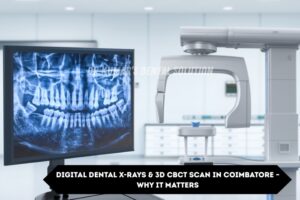
Digital X-rays, 3D CBCT scans, and detailed clinical analysis are used to evaluate jaw structure and create a customized treatment plan.
Step 2: Pre-Surgical Orthodontics
Braces may be placed to align teeth in preparation for surgery.
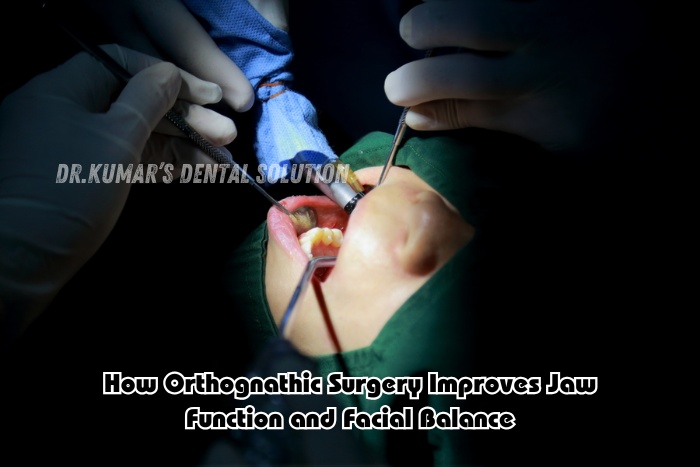
Step 3: Surgical Procedure
The jaw bones are repositioned precisely under controlled conditions to achieve proper alignment.
Step 4: Post-Surgical Recovery and Orthodontics
Healing begins, and orthodontic adjustments continue to refine the final bite alignment.
Each step is personalized to ensure accuracy, safety, and predictable results.
7. Role of Advanced Diagnostic Tools in Jaw Correction
Modern dental technology plays a crucial role in successful orthognathic surgery. Digital X-rays and 3D CBCT scans provide detailed images of jaw bones, nerves, and surrounding structures. This advanced imaging helps in precise diagnosis and accurate surgical planning.
Digital impressions and computerized treatment planning improve efficiency and reduce complications. At Nataraj Dentistry, we use advanced tools to ensure better precision, improved safety, and optimal facial balance outcomes.
8. Recovery Timeline After Corrective Jaw Surgery
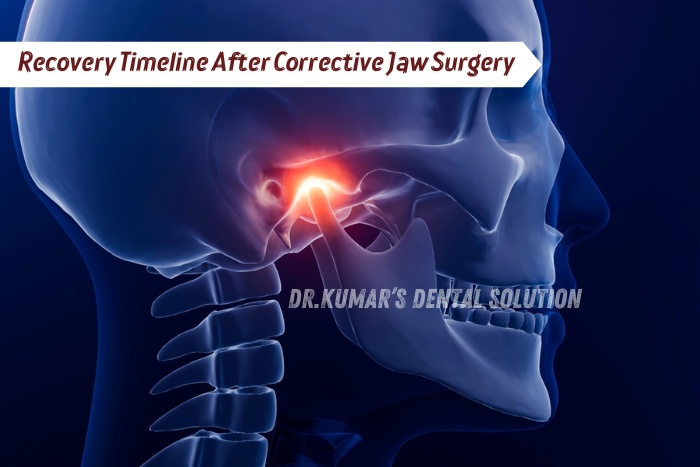
Recovery varies from person to person. Mild swelling and discomfort are common during the first few weeks. Most patients gradually resume routine activities within a few weeks, while complete healing may take a few months.
A soft diet is usually recommended in the early stages of recovery. Regular follow-up visits ensure proper healing and bite stability. With proper care and guidance, results remain stable and long-lasting.
9. Risks and Safety Measures in Orthognathic Surgery
Like any surgical procedure, orthognathic surgery carries minimal risks. However, modern surgical techniques and advanced planning significantly improve safety.
Sterile surgical protocols, accurate imaging, controlled anesthesia, and effective pain management reduce complications. With experienced specialists and proper monitoring, corrective jaw surgery is considered safe and highly effective.
10. Long-Term Results of Jaw Correction Treatment
Orthognathic surgery provides both functional and aesthetic improvements. After healing, patients experience:
- Better chewing efficiency
- Reduced jaw strain and muscle tension
- Improved speech clarity
- Balanced facial proportions
- Enhanced confidence
Correct jaw alignment also prevents excessive tooth wear, gum problems, and joint issues in the future. The benefits go beyond appearance and support overall oral health.
How Orthognathic Surgery Improves Jaw Function
Jaw misalignment can disturb daily activities like chewing and speaking. When the jaws are properly repositioned, patients notice significant functional improvements.
• Better chewing efficiency and improved digestion
• Clearer speech pronunciation
• Reduced strain on jaw muscles
• Relief from chronic jaw pain and headaches
• Improved breathing in certain cases
Proper jaw alignment ensures that upper and lower teeth meet correctly, preventing uneven pressure and long-term damage.
How Orthognathic Surgery Enhances Facial Balance
Jaw bones form the foundation of facial structure. When corrected, they create natural facial symmetry and improved proportions.
Patients often observe:
• Balanced facial features
• Improved chin and jawline definition
• Correction of protruding or recessed jaw
• Better lip support
• Enhanced smile appearance
The objective is not to change who you are, but to bring harmony to your facial features while maintaining a natural look.
Benefits & Services at Nataraj Dentistry

At Nataraj Dentistry, we provide comprehensive orthognathic treatment supported by advanced technology and expert care.
Key Benefits
• Accurate diagnosis using Digital X-rays and 3D CBCT
• Customized treatment planning
• Combined orthodontic and surgical approach
• Advanced pain management techniques
• Long-term functional and aesthetic improvement
• Safe and precise surgical care
Our Related Services Include
• Orthognathic Surgery
• Fixed Braces and Aligner Treatment
• Growth Modification
• Smile Make Over
• Digital Impressions
• Full Mouth Rehabilitation
From initial consultation to recovery, we guide patients at every stage with clear communication and comfortable care.
Conclusion
Orthognathic surgery is more than a corrective procedure. It is a transformative treatment that improves jaw function, facial balance, and overall quality of life. By correcting skeletal jaw discrepancies, it restores proper bite alignment and enhances confidence.
At Nataraj Dentistry, we are committed to delivering advanced jaw correction treatments with precision and care. With years of expertise and modern technology, we help patients achieve healthy function and balanced smiles safely and effectively. If you are experiencing jaw discomfort, bite issues, or facial asymmetry, a professional consultation can help you understand the right solution for your needs.